

Welcome to your complete guide on deciding whether asphalt or concrete is the smarter, more affordable choice for your driveway. Both materials are popular for good reason—they’re durable, attractive, and practical. But when it comes to cost, maintenance, and long-term value, the differences can make or break your budget. This post breaks down real pricing, lifespan, and upkeep so you can choose confidently without wasting money on the wrong surface.
Asphalt is generally cheaper than concrete for a driveway. On average, asphalt costs between $4–$8 per square foot, while concrete ranges from $8–$15 per square foot. Asphalt offers lower upfront costs and faster installation, but concrete lasts longer and needs less maintenance over time.
Table of Contents
Cost Breakdown: What You’re Really Paying For
When planning a new driveway, cost is often the biggest factor. But the real price goes beyond what you see in the initial estimate. Understanding what drives these expenses helps you choose the right material for your home and budget.
Initial Installation Costs
Asphalt is typically less expensive to install than concrete. On average, asphalt ranges from $4 to $8 per square foot, while concrete can cost $8 to $15 per square foot. The difference comes down to how each material is made and installed. Asphalt is a petroleum-based product that can be poured and compacted quickly, while concrete requires more preparation, forming, and curing time.
Labor, Materials, And Equipment Differences
Labor is one of the biggest cost drivers. Asphalt installation usually takes a day or two, so labor costs stay lower. Concrete driveways require several days of work and longer curing time, which adds to the expense.
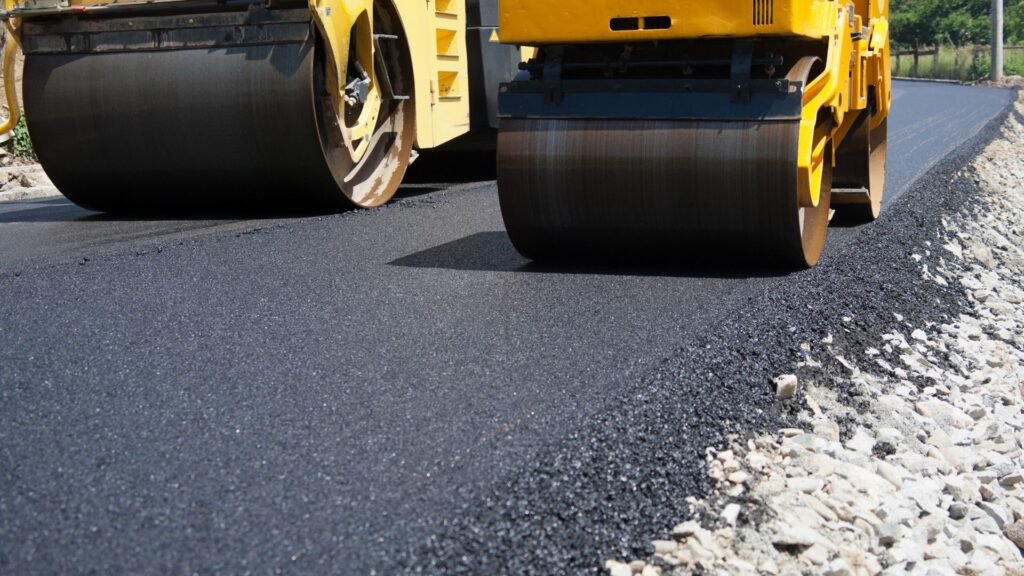
Materials also affect the total price. Asphalt uses hot mix asphalt, which is faster to apply but must be kept at a specific temperature. Concrete relies on a mix of cement, sand, gravel, and water, plus reinforcement materials like steel mesh or rebar. Concrete also needs framing, edging, and finishing tools, while asphalt work focuses on heavy rolling equipment for compaction.
In short, asphalt jobs are faster and use simpler tools, while concrete projects need more labor hours, supplies, and precision.
Regional Pricing Variation
Costs can vary by region and climate. In colder areas, concrete can crack from repeated freeze-thaw cycles, leading to higher repair expenses. Asphalt performs better in those environments because it expands and contracts more easily. However, in hot climates, asphalt can soften and deform, while concrete remains solid.
Regional labor rates also play a role. Areas with higher living costs often charge more per square foot for both materials. Availability of local materials can either lower or raise prices depending on how close suppliers are to your project.
Total Cost Of Ownership Over 20 Years
Asphalt may win on upfront costs, but it can require resealing every 3 to 5 years. Over two decades, maintenance can add another $1,000 to $2,000, depending on driveway size. Concrete requires less frequent maintenance but might need patching or joint resealing after several years.
Over a 20-year period, asphalt can cost around $6,000 to $10,000 total for a standard 600-square-foot driveway, including upkeep. Concrete might start higher at $8,000 to $12,000, but long-term maintenance is usually lower. The difference often comes down to how long you plan to stay in your home.
Get Quotes From Local Contractors
Every driveway is unique, so getting quotes from local contractors is essential. Request detailed asphalt estimates that break down labor, materials, and any site preparation costs. Ask about warranties, maintenance plans, and the type of mix or finish they recommend for your region. Local professionals understand how soil, temperature, and traffic patterns affect performance, so their advice can save you from costly mistakes.
Understanding these cost factors helps you look beyond the price tag and see the full picture. Whether you choose asphalt for its affordability or concrete for its durability, knowing what you’re really paying for ensures you make a confident, informed decision.
Maintenance And Lifespan: Where Asphalt Can Cost More Over Time
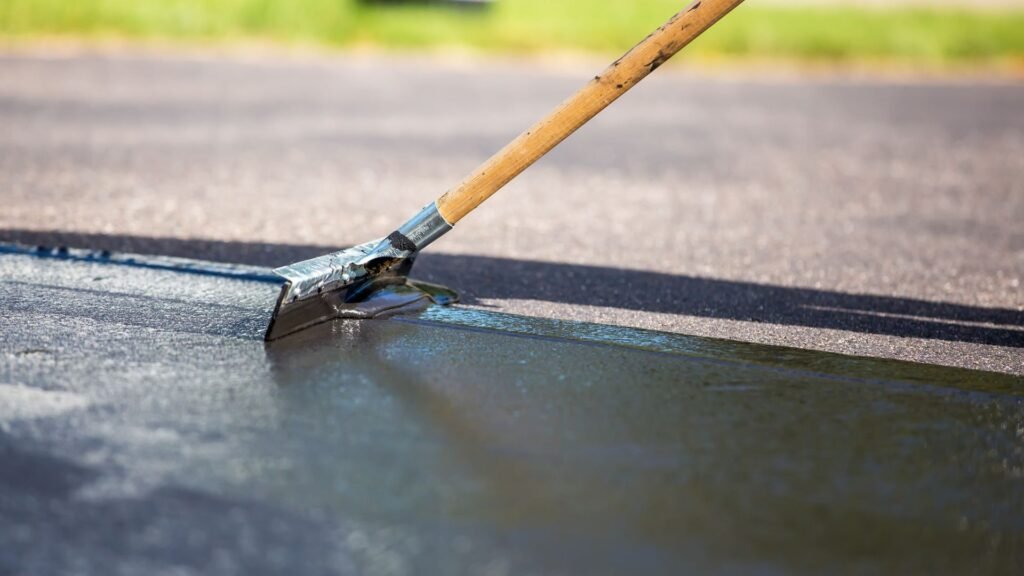
Asphalt driveways need regular care to stay durable and attractive. One of the most important steps is resealing every three to five years. Sealing forms a protective layer that shields the surface from UV rays, oil spills, and moisture. Without it, asphalt becomes brittle, starts to crack, and loses its deep black finish. Routine sealing also prevents small cracks from spreading, helping homeowners avoid expensive repairs later.
Concrete Requires Less Maintenance But Can Crack
Concrete doesn’t need as much maintenance as asphalt, making it appealing for long-term homeowners. Once installed and cured, it remains sturdy for decades with minimal attention. The main issue is cracking caused by temperature shifts or settling soil. Applying a sealer every few years helps block water penetration and reduces surface staining, but concrete generally holds up well without frequent treatments.
Comparing Lifespan: Asphalt Vs Concrete
Lifespan is where the cost difference becomes clear. Asphalt driveways usually last about 15 to 25 years when properly maintained. Concrete driveways, on the other hand, can last 30 to 40 years or more. While asphalt costs less upfront, its shorter lifespan and maintenance requirements can make it more expensive over time. Concrete’s durability often offsets its higher initial price.
Climate And Usage Affect Durability
Both materials respond differently to weather and traffic. In hot regions, asphalt can soften and develop ruts under heavy vehicles, while concrete holds up better to heat. In colder climates, asphalt performs well because it flexes with temperature changes, but salt and snowplows can wear it down. Concrete may crack during freeze-thaw cycles, yet it resists oil stains and surface deformation.
Your driveway’s longevity depends on care and environment as much as material choice. Regular maintenance protects your investment and keeps it looking sharp. Whether you choose asphalt or concrete, staying proactive will save you from bigger repairs and ensure your driveway lasts for years.
Aesthetics And Customization
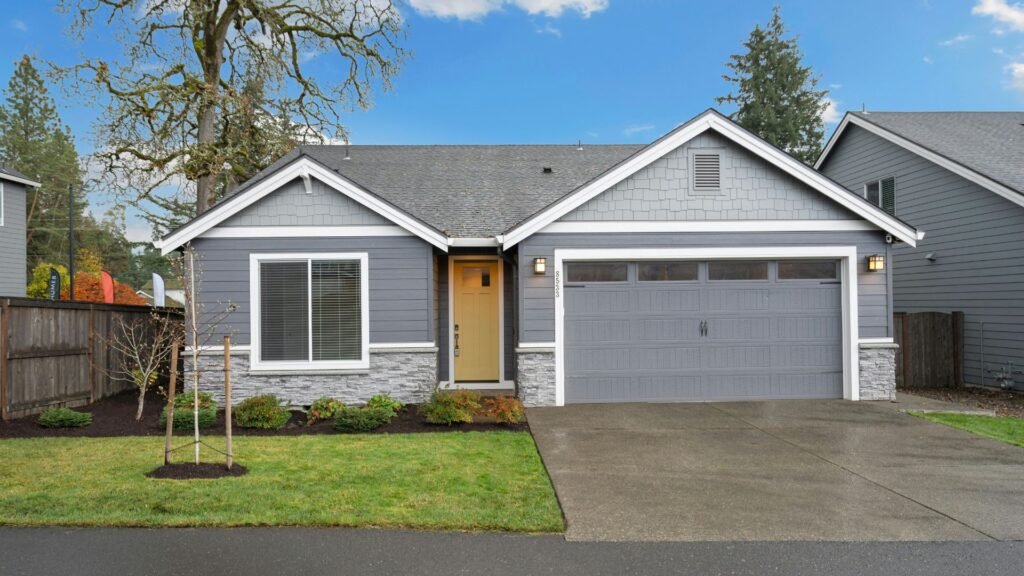
When it comes to curb appeal, the look of your driveway can make a big difference in how your home feels and the impression it gives visitors. Asphalt and concrete both offer attractive finishes, but they cater to different styles and preferences.
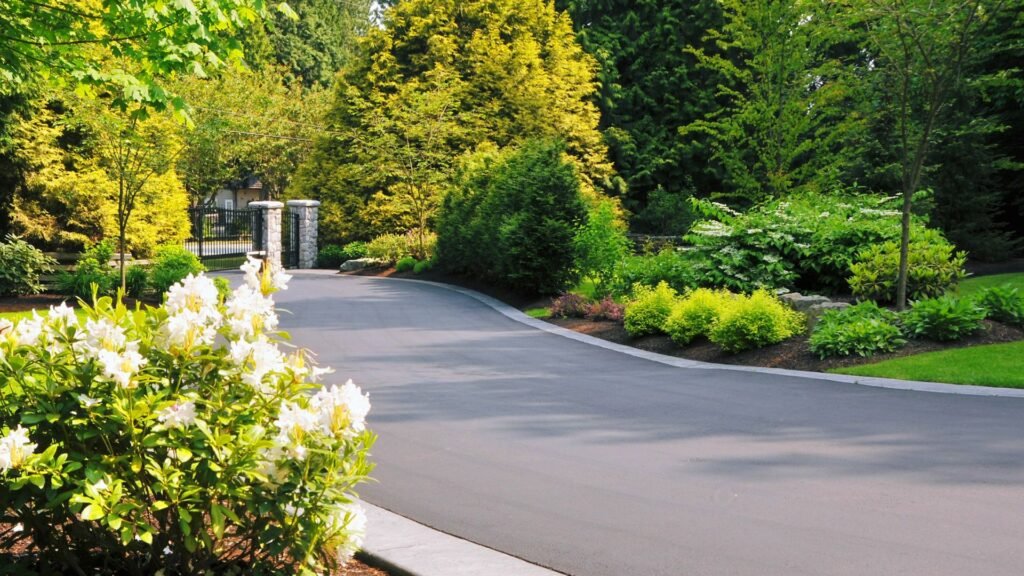
Asphalt delivers a clean, smooth, and consistent black surface that blends naturally with most surroundings. It’s ideal if you prefer a simple, classic look that complements any home style. The dark color also helps melt snow faster in winter, which can be a practical bonus for homeowners in colder regions. Its uniform finish makes it appear sleek and well-maintained, even years after installation when properly sealed.
Concrete, on the other hand, gives you far more creative freedom. You can choose from a variety of colors, textures, and finishes to match your home’s exterior. It can be stained, stamped, or polished to mimic stone, brick, or even tile. This customization lets you achieve a premium look without paying for luxury materials. Many homeowners use stamped concrete to add decorative patterns that elevate the driveway into a design feature instead of just a functional space.
Another point of difference is curing time. Asphalt is ready for light use within one to two days, making it a faster option for busy households. Concrete requires about a week to fully cure, which means you’ll need to wait longer before parking or driving on it. While this waiting period might seem inconvenient, it ensures a stronger, longer-lasting surface when properly installed.
Choosing between asphalt and concrete often depends on your priorities—simplicity and speed or design and detail. Both can look great, but if you want a driveway that reflects your personal style and enhances your home’s character, concrete offers more flexibility.
In the end, the best choice comes down to what matters most to you: quick installation and a timeless, low-maintenance finish with asphalt, or long-lasting beauty and design versatility with concrete.
Environmental Impact
When deciding between asphalt and concrete, the environmental impact is often overlooked. Yet, it’s an important factor for homeowners who want a balance between cost, performance, and sustainability. Let’s look at how each material affects the planet and what you can do to make an eco-friendly choice.
Asphalt’s Recyclability
Asphalt is one of the most recycled materials in the world. Old asphalt can be milled, reheated, and mixed with new material to create reclaimed asphalt pavement (RAP). This process cuts down on waste, saves resources, and reduces the need for new petroleum-based materials. Many paving companies now use recycled asphalt in their mixes, making it both cost-effective and environmentally friendly. Choosing recycled asphalt helps lower landfill use and conserves natural resources without sacrificing quality.
Concrete’s Higher Energy Use
Concrete has a different environmental challenge. The cement used in concrete requires intense heat during production, releasing large amounts of carbon dioxide. This makes concrete one of the highest energy-consuming materials in construction. While concrete lasts longer and needs less frequent replacement, its carbon footprint during manufacturing is hard to ignore. Homeowners who choose concrete can look for eco-friendly alternatives, such as low-carbon or fly ash-based cement, to minimize environmental harm.
The Heat Trade-Off
Another difference between these materials is how they handle heat. Asphalt absorbs more sunlight and radiates heat back into the environment, which contributes to the urban heat island effect. This can make neighborhoods hotter, especially in warmer regions. Concrete reflects more sunlight and stays cooler on hot days, offering a small environmental benefit in hot climates. However, this advantage doesn’t erase its higher production emissions.
Choosing Eco-Friendly Alternatives
Sustainable driveway options are growing in popularity. Porous asphalt is a great example—it allows rainwater to pass through the surface and soak into the ground, reducing runoff and helping recharge groundwater. Recycled concrete is another strong choice, created by crushing and reusing old slabs instead of sending them to landfills. Both of these materials reduce waste and promote responsible construction practices.
Both asphalt and concrete have their pros and cons from an environmental standpoint. Asphalt’s recyclability gives it a clear edge, while concrete’s reflective surface helps reduce heat buildup. The most eco-friendly choice depends on your location, climate, and sustainability goals. By discussing recycled or porous material options with your contractor, you can build a driveway that’s not only durable and affordable but also better for the environment.
Which Material Suits Your Home Best
Choosing between asphalt and concrete depends on your budget, climate, and how much time you want to spend on maintenance. Each material has its own strengths, so the right choice comes down to what matters most to you and your home’s location.
Budget Considerations
If cost is your main concern, asphalt is the better option. The installation cost for asphalt typically ranges from $4 to $8 per square foot, which is significantly lower than concrete’s average of $8 to $15 per square foot. Asphalt also requires less time to install, so labor costs are usually lower. For homeowners working with a limited budget or planning short-term ownership, asphalt offers a practical and affordable solution without compromising function.
Concrete, on the other hand, costs more upfront but provides long-term value. Its durability reduces the need for frequent repairs, saving you money in the long run. If you plan to stay in your home for many years, concrete can be the more cost-effective option over time.
Climate Factors
Your local weather plays a major role in which material performs best. If you live in a cold region with harsh winters, asphalt tends to perform better. It expands and contracts with temperature changes, making it less likely to crack from freezing and thawing cycles. The dark color of asphalt also absorbs heat, helping snow and ice melt faster during the winter months.
In contrast, concrete is better suited for hot climates. Asphalt can soften and rut when exposed to high heat, while concrete remains solid and stable. Its lighter color also reflects sunlight, which helps reduce heat buildup on the surface. For homeowners in warm areas, concrete is a more durable and comfortable choice.
Maintenance Preferences
If you prefer low maintenance, concrete might appeal more to you. It doesn’t need sealing as often, and with proper installation, it can last 30 to 40 years. Asphalt requires resealing every few years to protect it from moisture and sunlight. However, asphalt repairs are generally quicker and cheaper than concrete fixes.
Mini Scenarios To Guide Your Choice
- If you live in a cold area, asphalt may perform better.
- In hot climates, concrete resists softening and rutting.
- For homeowners on a tighter budget, asphalt delivers the best short-term value.
- If longevity and minimal maintenance are your priorities, concrete is worth the investment.
Your home’s driveway isn’t just about appearance—it’s about performance, cost, and durability. Think about your local climate, your long-term plans, and how much upkeep you’re willing to do. Once you weigh these factors, choosing between asphalt and concrete becomes a simple, confident decision.
Real Homeowner Cost Examples
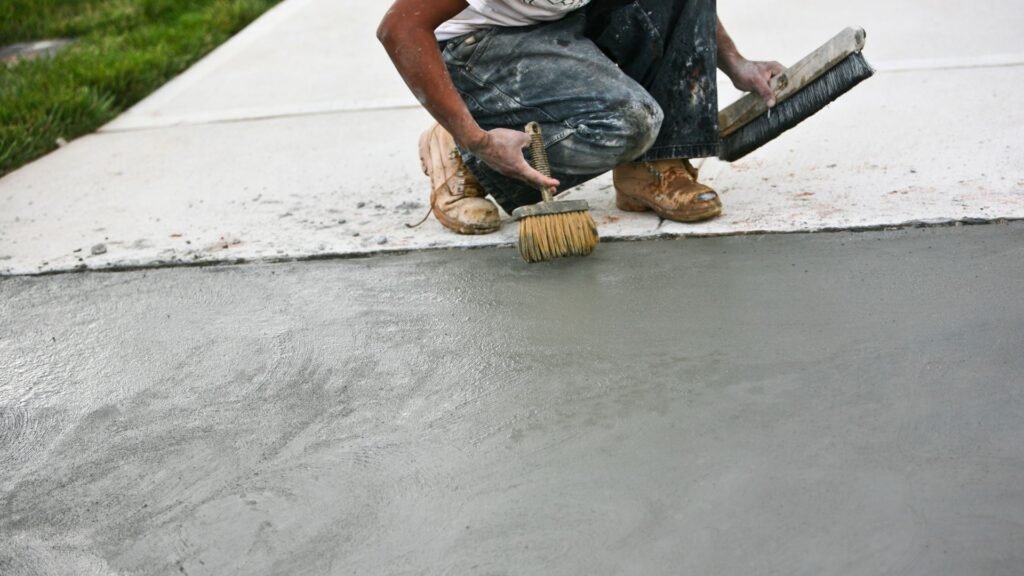
When comparing asphalt and concrete driveways, real numbers tell the story best. Let’s look at a realistic example based on a standard 600-square-foot residential driveway. These estimates reflect average national prices and typical maintenance schedules. Actual costs may vary depending on region, contractor rates, and material availability, but this comparison gives a clear view of long-term expenses.
Imagine two homeowners starting fresh with identical driveway sizes. One chooses asphalt, the other concrete. Both hire professional contractors and maintain their driveways properly over 20 years.
Asphalt Driveway Costs
- Installation: Asphalt driveways usually cost between $4 and $8 per square foot. For 600 square feet, that’s roughly $2,400–$4,800.
- Maintenance: Resealing every 3–5 years costs about $300–$500 per visit. Over 20 years, that’s about $1,500–$2,500 in maintenance.
- Repairs: Minor crack filling or patching may add another $500–$1,000 total.
Concrete Driveway Costs
- Installation: Concrete typically costs between $8 and $15 per square foot. For the same 600-square-foot area, expect $4,800–$9,000 upfront.
- Maintenance: Minimal maintenance, such as sealing every 5–10 years, costs about $400 each time. Over 20 years, that’s roughly $800–$1,200.
- Repairs: Small crack repairs might add another $500–$800 total.
20-Year Cost Comparison Table
| Driveway Type | Installation Cost | Maintenance (20 Years) | Repair Costs | Estimated Total (20 Years) |
| Asphalt | $2,400 – $4,800 | $1,500 – $2,500 | $500 – $1,000 | $4,400 – $8,300 |
| Concrete | $4,800 – $9,000 | $800 – $1,200 | $500 – $800 | $6,100 – $11,000 |
Over two decades, asphalt remains the cheaper choice upfront, but concrete offers longer durability and requires less frequent attention. The gap between total costs narrows when factoring in lifespan and upkeep, meaning concrete may deliver better long-term value if you plan to stay in your home for decades.
Choosing between asphalt and concrete often comes down to your budget and how long you expect to use the driveway. If you prefer a lower initial investment and don’t mind occasional resealing, asphalt makes sense. If you want longevity and minimal maintenance, concrete is worth the higher upfront price.
Expert Tip: Think About Timing And Contractors
The timing of your driveway project can make a big difference in both cost and quality. Asphalt and concrete prices often fluctuate with the seasons because weather conditions directly affect how well these materials set and cure. Spring and fall are usually the best times to schedule your paving project. Temperatures are mild, humidity levels are stable, and contractors are more available before the summer rush. When the ground is neither frozen nor extremely hot, your driveway has a better chance of curing evenly and lasting longer.
Before hiring anyone, take the time to gather multiple quotes from licensed and insured contractors. This helps you understand the fair market rate and prevents you from overpaying. A reputable contractor should be willing to provide a detailed estimate that includes materials, labor, and timeline. If someone offers a price that sounds too good to be true, it probably is. Compare not just the total cost but also the quality of materials and the experience of the crew handling your project.
Always read reviews and testimonials before making your decision. Look for consistent feedback about reliability, punctuality, and workmanship. Check whether the contractor offers a written warranty covering cracks, defects, or premature wear. A good warranty shows confidence in their work and gives you peace of mind.
Getting the timing right and choosing a qualified professional can save you money and frustration in the long run. Smart planning ensures your new driveway looks great, performs well, and lasts for years without costly repairs.
Ready to plan your new driveway? Visit our website for expert tips, cost calculators, and trusted contractor recommendations to help you make the right choice and get the best deal for your home.
References
- Bob Vila — The Cost of Asphalt vs. Concrete Driveway: 9 Factors to Consider
https://www.bobvila.com/articles/asphalt-driveway-cost-vs-concrete/ (Bob Vila) - HomeGuide — Asphalt Driveway Cost vs. Concrete (2025 Prices & Differences)
https://homeguide.com/costs/asphalt-driveway-cost-vs-concrete (HomeGuide) - NerdWallet — Asphalt vs. Concrete Driveway Cost in 2025: Which Material Is Better?
https://www.nerdwallet.com/article/mortgages/asphalt-vs-concrete-driveway (NerdWallet) - ConcreteCaptain — Asphalt vs Concrete Driveway Cost: Which Option Is Right for Your Budget?
- https://concretecaptain.com/asphalt-vs-concrete-driveway-cost/ (concretecaptain.com)
FAQs: About Is Asphalt Cheaper Than Concrete For A Driveway
What is cheaper, asphalt or concrete for a driveway?
Asphalt is usually cheaper to install, costing around $4–$8 per square foot, while concrete costs about $8–$15 per square foot.
Why is asphalt less expensive than concrete?
Asphalt requires less labor and materials to install, and it sets faster, which lowers overall costs.
How long does an asphalt driveway last compared to concrete?
An asphalt driveway typically lasts 15–25 years, while a concrete driveway can last 30–40 years with proper care.
Which material requires more maintenance, asphalt or concrete?
Asphalt needs resealing every few years, while concrete requires fewer repairs but may develop cracks over time.
Does weather affect asphalt and concrete driveways differently?
Yes. Asphalt performs better in cold climates but can soften in extreme heat, while concrete handles heat well but can crack in freezing temperatures.
Which driveway material is more environmentally friendly?
Asphalt can be recycled and reused, but concrete production emits more CO₂. However, porous concrete and recycled asphalt options are more eco-friendly choices.
Can I install an asphalt driveway myself?
DIY asphalt installation isn’t recommended because it requires specialized equipment and precise temperature control during application.
How long before I can use a new asphalt or concrete driveway?
You can usually drive on asphalt within 1–2 days, while concrete takes about 7 days to fully cure before heavy use.
Which material looks better for a driveway?
Concrete offers more design options like coloring and stamping, while asphalt gives a clean, smooth black finish that looks uniform and simple.
What’s the best choice for long-term value?
Concrete costs more upfront but lasts longer with less maintenance, making it a better investment for homeowners planning to stay long-term.
Conclusion
When comparing asphalt and concrete driveways, the main takeaway is clear: asphalt is the cheaper option upfront, while concrete offers longer-lasting value. Asphalt’s lower installation cost makes it attractive for homeowners on a budget or those who need a quick project turnaround. Concrete, on the other hand, stands out for its durability, minimal maintenance, and clean appearance that can last for decades when properly cared for. Choosing between them depends on more than just cost—it’s about weighing short-term savings against long-term performance. Think about your local climate, how often you’re willing to maintain the surface, and how long you plan to stay in your home. The best choice isn’t just about price; it’s about finding what fits your lifestyle, budget, and driveway goals for the years ahead.